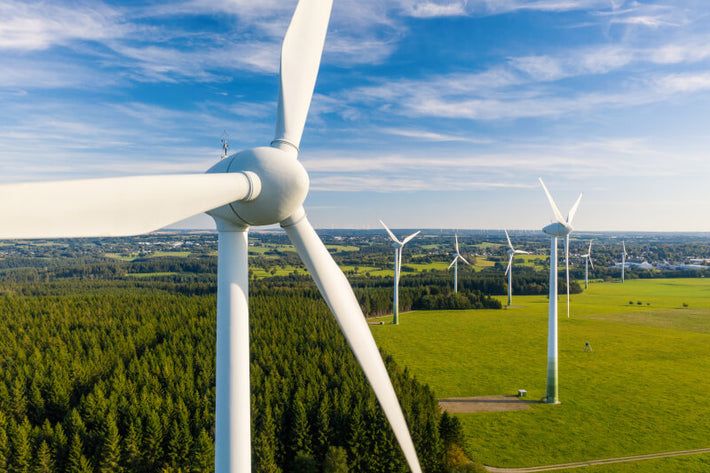
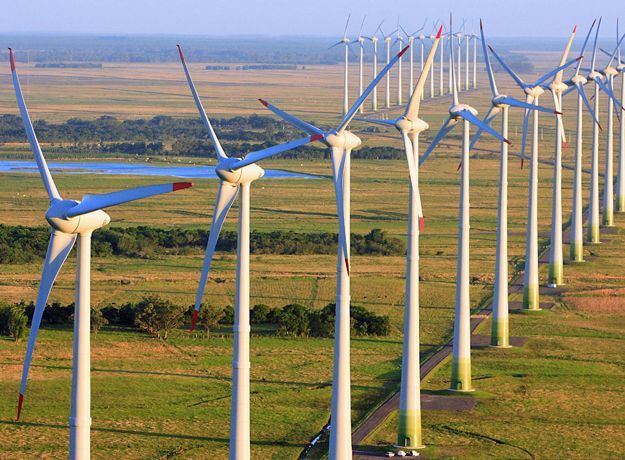
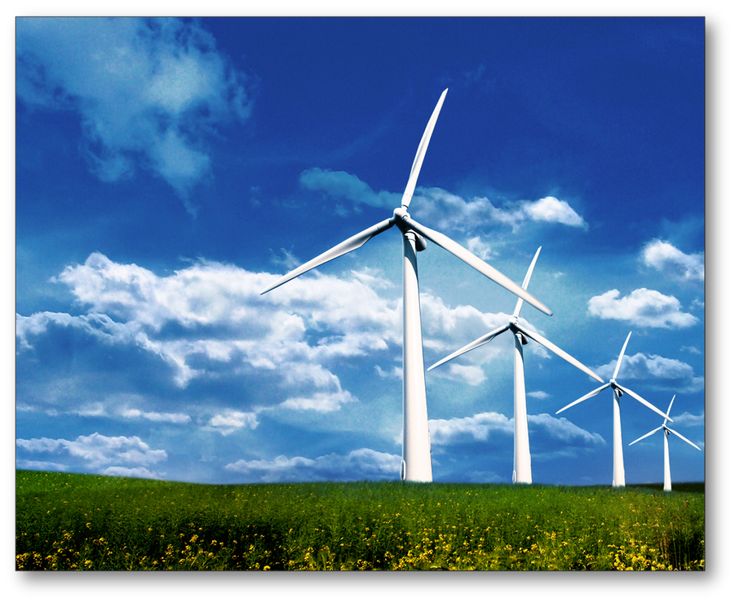
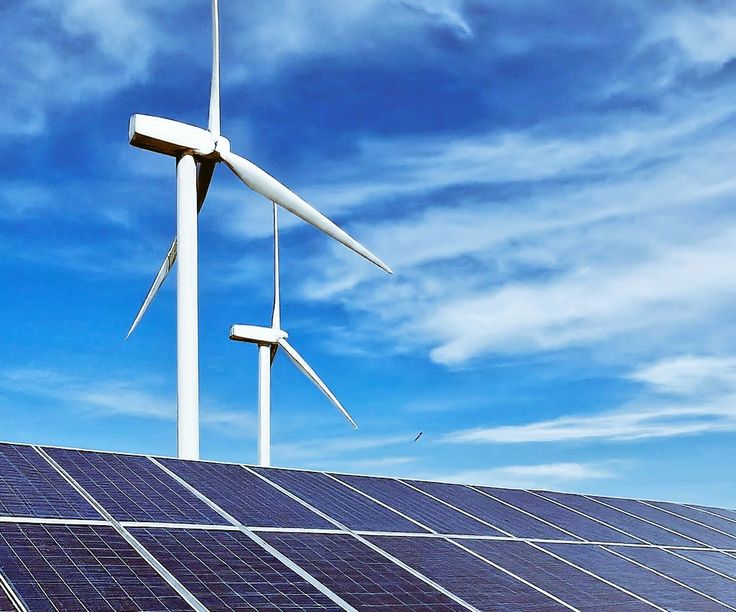
Wind energy is the process of harnessing the power of moving air (wind) and converting it into usable electricity. It’s one of the fastest-growing sources of clean, renewable energy around the world. But how exactly does wind create electricity? The answer lies in physics. When wind flows over the blades of a turbine, it causes them to spin. That spinning motion turns a shaft connected to a generator, which produces electricity. Simple, right?
What makes wind energy so appealing is that it’s abundant, free, and doesn’t emit harmful greenhouse gases. It taps into one of nature’s most basic forces and transforms it into power that can light up homes, businesses, and even entire cities.
Wind energy isn’t new. In fact, it’s ancient. Thousands of years ago, people used the wind to sail boats and grind grain. The first known windmills appeared in Persia around 500–900 A.D. These early versions helped pump water and grind wheat, proving wind’s usefulness early on.
Fast forward to the late 19th century, and wind turbines began to emerge as a way to generate electricity. In 1887, Professor James Blyth built the first wind turbine to power his home in Scotland. Then in the U.S., Charles Brush developed a large wind-powered electric generator in 1888. The modern wind industry started to take shape in the 1970s, driven by oil crises and a push for energy independence.
How Wind Energy Works
The Mechanics Behind Wind Turbines
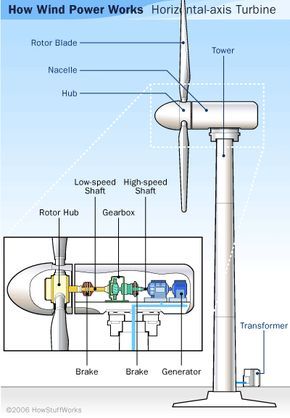
At the heart of wind energy is the wind turbine. These tall, sleek machines might look simple from afar, but inside, there’s a lot going on. When wind blows across the turbine’s blades, it causes them to rotate. That rotation spins a low-speed shaft inside the turbine.
Rotor Blades – These are the large blades that catch the wind. Most turbines have three blades.
Shaft and Gearbox – The rotating blades turn a low-speed shaft, which connects to a gearbox. The gearbox increases the rotation speed to a level that can generate electricity.
Generator – Converts mechanical energy from the spinning shaft into electrical energy.
Tower – Holds the turbine high in the air where the wind is stronger and more consistent.
Types of Wind Turbines
Horizontal-Axis Wind Turbines (HAWT) – The most common type, with blades like airplane propellers.
Vertical-Axis Wind Turbines (VAWT) – Less common, with blades that spin around a vertical axis.
Onshore vs. Offshore Turbines – Onshore turbines are installed on land, while offshore turbines are set up in bodies of water, typically offering stronger and steadier winds.

 Optimized by Seraphinite Accelerator