
As the world marches towards sustainable transportation solutions, the evolution of electric vehicles (EVs) has been nothing short of remarkable. Kenya, a country known for its diverse landscapes and commitment to environmental conservation, has embraced this transformation with open arms. From humble beginnings to a promising future, the journey of electric vehicles in Kenya is a testament to the nation’s dedication to cleaner, greener mobility. In this article, we’ll explore the captivating story of how electric vehicles have evolved in Kenya and the factors driving this positive change.
Early Steps: The Emergence of Electric Vehicles
The electric vehicle journey in Kenya began with small yet impactful steps:
Pioneering Initiatives: Forward-thinking individuals and organizations in Kenya recognized the potential of electric vehicles early on. They started importing and promoting electric vehicles as eco-friendly alternatives to traditional gasoline-powered cars.
Urban Electric Mobility: In Nairobi, the capital city, electric vehicles were introduced for urban mobility, especially within the city center, where emission control and reduced noise were vital.
Government Support: The Kenyan government took proactive steps by reducing import duties on electric vehicles to encourage their adoption. These measures aimed to make EVs more affordable and accessible for Kenyan consumers.
Infrastructure Development: Powering the EV Movement
The evolution of electric vehicles in Kenya gained momentum due to significant developments in infrastructure:
Charging Stations: To address “range anxiety” – the fear of running out of battery – the government and private enterprises began establishing public charging stations. These stations provided the necessary infrastructure to support electric vehicle adoption.
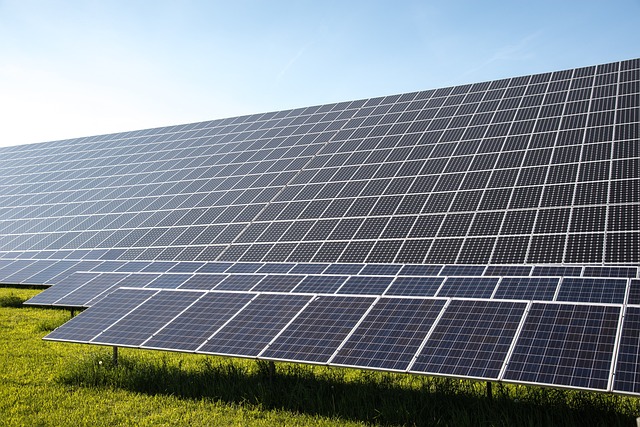
Solar Integration: Leveraging Kenya’s abundant solar resources, solar-powered charging stations emerged in various regions. This integration not only promoted sustainable charging but also showcased the potential of renewable energy for the automotive sector.
Partnerships for Progress: Partnerships between local businesses, international organizations, and governments paved the way for innovation. Collaborations with global EV manufacturers and energy companies facilitated the growth of the electric vehicle ecosystem.
Local Manufacturing and Adaptation
Kenya’s commitment to sustainable development extended to local manufacturing and the adaptation of electric vehicles:
Innovation Hubs: Kenya’s innovation hubs and startups began working on electric mobility solutions. These efforts led to the development of electric motorcycles and three-wheelers tailored to the local transportation landscape.
Rural Electrification: Electric vehicles found applications in rural areas where transportation options were limited. Electric motorcycles provided an economical and eco-friendly solution for last-mile connectivity in remote regions.
Government Fleets: The Kenyan government explored the use of electric vehicles in its own fleet, setting an example for other public and private entities to follow suit.
Challenges and Overcoming Hurdles
Despite the progress, electric vehicle adoption in Kenya faced challenges that required innovative solutions:
Initial Costs: The higher upfront costs of electric vehicles were a barrier to entry. However, with the introduction of incentives, tax breaks, and favorable financing options, the financial burden was eased.
Charging Infrastructure: While charging infrastructure expanded, concerns about accessibility and the need for reliable and fast-charging stations persisted. This led to ongoing efforts to establish a comprehensive charging network.
Awareness and Education: A lack of awareness and education about electric vehicles posed a challenge. Advocacy campaigns, workshops, and public outreach initiatives played a pivotal role in dispelling misconceptions and fostering acceptance.
Future Prospects: A Green Horizon
The evolution of electric vehicles in Kenya is a promising narrative that continues to unfold:
Diversification of EV Models: A growing variety of electric vehicle models are entering the Kenyan market, offering consumers more choices and catering to different needs.
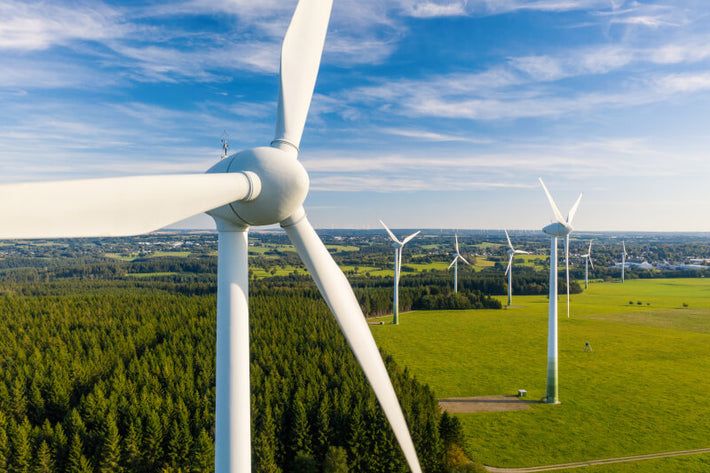
Green Energy Transition: The integration of electric vehicles with Kenya’s renewable energy sources, such as solar and wind power, is expected to accelerate, aligning with the country’s commitment to a greener energy mix.
Policy Framework: The Kenyan government’s efforts to develop a comprehensive policy framework for electric vehicles and associated infrastructure will play a pivotal role in shaping the sector’s growth.
The evolution of electric vehicles in Kenya is a testament to the country’s determination to embrace sustainable mobility. From early pioneers to innovative startups, the collective efforts of individuals, organizations, and governments have driven the adoption of electric vehicles. As Kenya continues to make strides in electric mobility, the vision of cleaner air, reduced carbon emissions, and a brighter, greener future becomes increasingly tangible. The journey of electric vehicles in Kenya is not just a story of technological advancement; it’s a testament to the power of collaboration, innovation, and a shared commitment to a sustainable planet.