
A siphon stockpiling hydropower plant is a type of hydropower system that stores energy capacity. It includes the accompanying essential activity:
Upper and Lower Supplies: A siphoned stockpiling plant comprises two repositories situated at various elevations. The upper repository is situated at a higher elevation, while the lower supply is arranged at a lower elevation. The size and limit of the supplies can shift contingent on the particular undertaking.
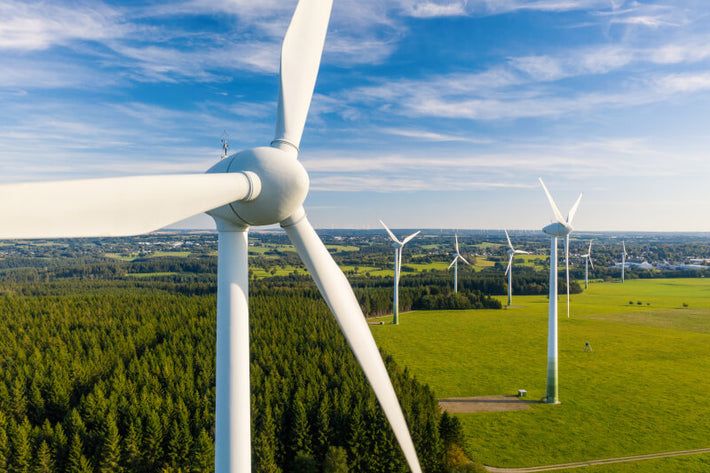
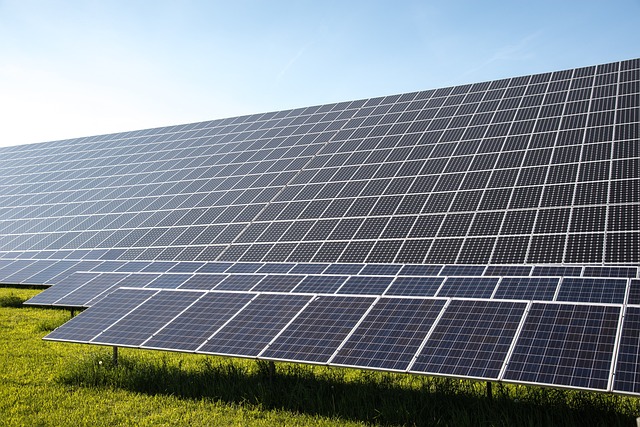
Power Age Mode: During times of high power interest or when there is an overabundance of power from sustainable sources like wind or solar power, the abundance power is utilized to work siphons. The siphons are utilized to lift water from the lower repository to the upper supply, consequently storing potential energy.
Siphoning Water: Electrically determined siphons move water from the lower repository to the upper supply. This cycle requires energy input, and the siphons draw power to lift the water against the gravitational force.
Energy Capacity: As the water is siphoned from the lower supply to the upper repository, it is stored as potential energy. The height contrast between the two supplies makes a gravitational potential energy that can be converted once more into power when required.
Power Age Mode: When power request increments or during times of low environmentally friendly power age, the stored water is set free from the upper supply back to the lower repository. The water streams downhill, going through turbines.
Turbine Activity and Power Age: As the water streams downhill, it goes through the turbines, driving them to turn. The turn of the turbines creates power through the activity of the associated generators. The produced power is then communicated to the network for use.
Rehashed Cycle: The siphoned stockpiling hydropower plant can go through rehashed patterns of siphoning water from the lower supply to the upper reservoir during low interest or abundance water periods and releasing water free from the upper supply to the lower supply during demand periods. This considers energy capacity and the arrangement of power during top interest periods.
Siphoned capacity hydropower plants serve as a type of energy stockpiling, taking into consideration the storage of irregular renewable energy sources, load shifting, and the adjustment of the power framework. The capacity to store and deliver water for power generation gives adaptability and assists in coordinating power with providing for demand changes.