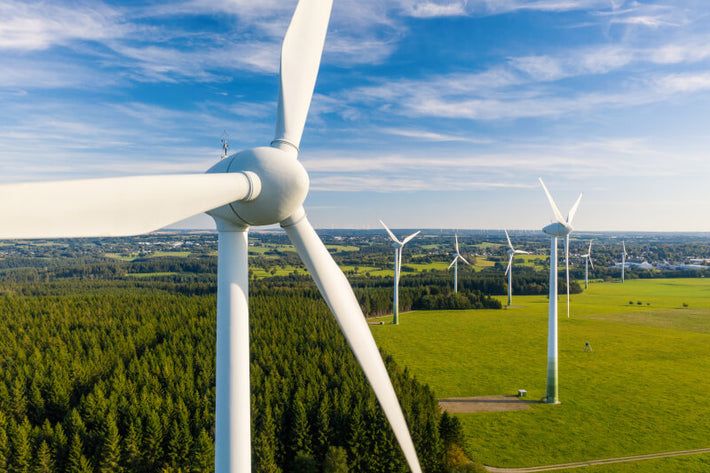

Wind energy is the process of harnessing the power of moving air (wind) and converting it into usable electricity. It’s one of the fastest-growing sources of clean, renewable energy around the world. But how exactly does wind create electricity? The answer lies in physics. When wind flows over the blades of a turbine, it causes them to spin. That spinning motion turns a shaft connected to a generator, which produces electricity. Simple, right?
What makes wind energy so appealing is that it’s abundant, free, and doesn’t emit harmful greenhouse gases. It taps into one of nature’s most basic forces and transforms it into power that can light up homes, businesses, and even entire cities.
A Brief History of Wind Energy
Wind energy isn’t new. In fact, it’s ancient. Thousands of years ago, people used the wind to sail boats and grind grain. The first known windmills appeared in Persia around 500–900 A.D. These early versions helped pump water and grind wheat, proving wind’s usefulness early on.
Fast forward to the late 19th century, and wind turbines began to emerge as a way to generate electricity. In 1887, Professor James Blyth built the first wind turbine to power his home in Scotland. Then in the U.S., Charles Brush developed a large wind-powered electric generator in 1888. The modern wind industry started to take shape in the 1970s, driven by oil crises and a push for energy independence.
How Wind Energy Works
The Mechanics Behind Wind Turbines
At the heart of wind energy is the wind turbine. These tall, sleek machines might look simple from afar, but inside, there’s a lot going on. When wind blows across the turbine’s blades, it causes them to rotate. That rotation spins a low-speed shaft inside the turbine.
Key Components of a Wind Turbine
-
Rotor Blades – These are the large blades that catch the wind. Most turbines have three blades.
-
Shaft and Gearbox – The rotating blades turn a low-speed shaft, which connects to a gearbox. The gearbox increases the rotation speed to a level that can generate electricity.
-
Generator – Converts mechanical energy from the spinning shaft into electrical energy.
-
Tower – Holds the turbine high in the air where the wind is stronger and more consistent.
Types of Wind Turbines
-
Horizontal-Axis Wind Turbines (HAWT) – The most common type, with blades like airplane propellers.
-
Vertical-Axis Wind Turbines (VAWT) – Less common, with blades that spin around a vertical axis.
-
Onshore vs. Offshore Turbines – Onshore turbines are installed on land, while offshore turbines are set up in bodies of water, typically offering stronger and steadier winds.
Wind Energy Technology
Modern Innovations in Wind Turbine Design
Today’s wind turbines are smarter, more efficient, and more powerful than ever. They can adjust blade pitch, detect wind direction, and optimize energy output using AI-driven systems. Taller towers and longer blades are allowing turbines to reach stronger, more consistent winds.
Smart Grid Integration and Data Analytics
Wind farms are increasingly being linked to smart grids, which balance energy supply and demand. Sensors on turbines collect real-time data on performance, enabling predictive maintenance and greater reliability.
Materials and Manufacturing Advancements
Lightweight materials like carbon fiber are making blades longer without making them heavier. 3D printing and modular construction techniques are also cutting costs and speeding up turbine assembly.
Sources of Wind Energy
Wind is created by the uneven heating of the Earth’s surface by the sun. This causes air to move from high-pressure areas to low-pressure areas—what we feel as wind. Mountain ranges, large bodies of water, and Earth’s rotation also influence global wind patterns.
Benefits of Wind Energy
Renewable and Sustainable
Wind is inexhaustible. Unlike fossil fuels, we won’t run out of wind anytime soon. It’s nature’s gift that keeps on giving.
Clean and Emission-Free
Wind turbines don’t produce carbon dioxide or other harmful pollutants. That makes them a major player in the fight against climate change.
Economic Advantages
Wind energy creates jobs in manufacturing, installation, maintenance, and support services. It also provides income for landowners who lease their land for turbines.
Energy Independence and Security
By investing in wind power, countries can reduce their dependence on imported fossil fuels, improving energy security and price stability.
Challenges and Limitations
Intermittency and Reliability
Wind doesn’t blow all the time. This can make it hard to rely on wind energy as a sole power source without backup storage or complementary energy systems.
Environmental Concerns
Wind farms can pose risks to birds and bats, and their construction may affect local wildlife habitats. However, proper siting and technology improvements are helping to minimize these impacts.
Aesthetic and Noise Issues
Some people object to the visual appearance of wind turbines or complain about the low hum they produce. However, newer turbines are quieter and more community-friendly.
Storage and Infrastructure
Storing wind energy for use when the wind isn’t blowing remains a challenge, although battery storage technology is improving rapidly.
Wind Energy vs. Other Renewable Sources
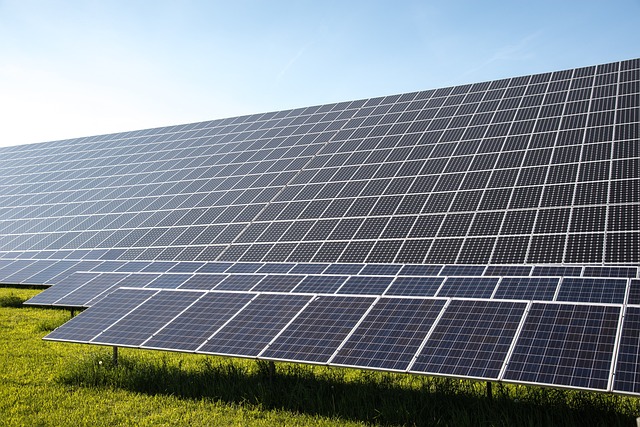
While solar energy works best in sunny regions, wind energy can be effective day or night as long as there’s air movement. Hydro and geothermal power are great but limited by geography. Wind power is more flexible and scalable than many other renewables.
The Role of Wind Energy in Combating Climate Change
Wind power reduces the need for fossil fuel-based energy generation. That means lower carbon emissions, less air pollution, and a healthier planet. It’s a vital tool in the global shift to a low-carbon economy.
Wind Energy Around the World
Leading Countries in Wind Energy Production
China, the United States, Germany, and India are global leaders in wind power. China alone accounts for over a third of the world’s installed wind capacity.
Global Wind Energy Capacity Growth
Global wind energy capacity has exploded in the past two decades, with over 800 GW installed worldwide by 2025, and it’s still climbing.
Regional Success Stories
Denmark gets over 40% of its electricity from wind. Texas, USA, leads all U.S. states in wind power production. These success stories highlight wind energy’s massive potential.
Wind Energy in the United States
Federal and state incentives, like tax credits and renewable portfolio standards, have driven wind energy expansion across the U.S. In 2024, wind provided around 10% of total U.S. electricity, supporting over 120,000 jobs.
Future of Wind Energy
Expect floating offshore wind farms, ultra-tall towers, and AI-optimized grids to dominate the next phase of wind energy. Emerging economies in Africa, Southeast Asia, and Latin America are also tapping into wind as a way to leapfrog fossil fuels.
How to Get Involved with Wind Energy
Interested in a wind energy career? Fields like turbine tech, engineering, and project management are booming. You can also invest in green energy companies or support local wind co-ops. Every bit helps push the transition forward.
Myths and Facts About Wind Energy
-
Myth: Wind turbines are noisy.
Fact: Modern turbines are surprisingly quiet. -
Myth: Wind energy isn’t reliable.
Fact: It’s predictable and manageable with good grid planning. -
Myth: Wind farms harm property values.
Fact: Studies show little to no long-term impact.
Conclusion
Wind energy is more than just spinning blades on a hilltop—it’s a symbol of progress. It’s clean, renewable, and increasingly vital to our planet’s future. While it comes with challenges, the benefits far outweigh the downsides. As technology evolves and adoption spreads, wind power is set to become a cornerstone of global energy systems.