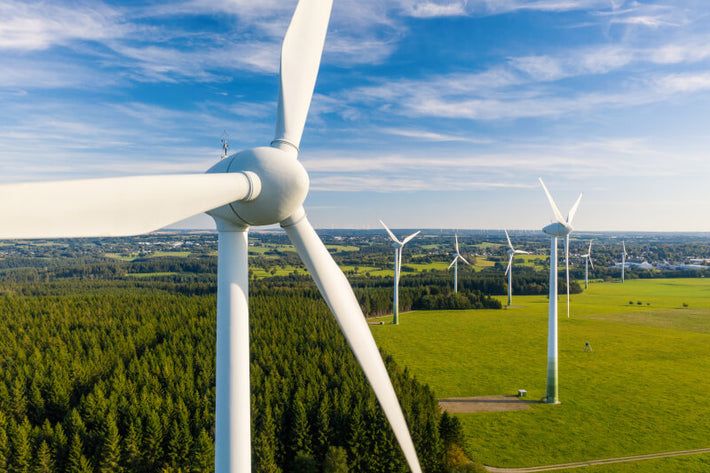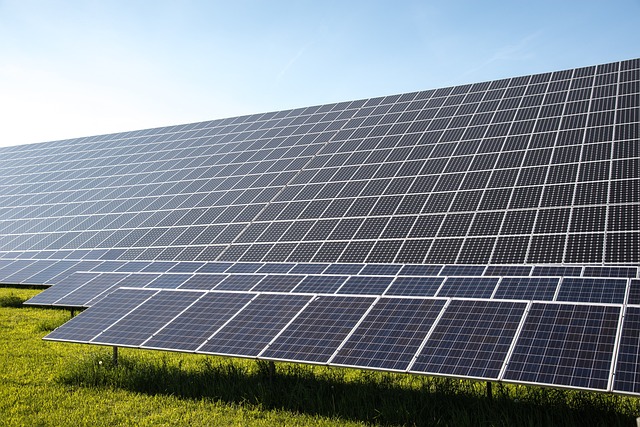

Green hydrogen is an innovative and eco-friendly energy source produced by splitting water (H₂O) into hydrogen (H₂) and oxygen (O₂) using renewable electricity, most commonly from wind or solar power. Unlike “gray” or “blue” hydrogen, green hydrogen generates zero carbon emissions during production. It’s like taking water and sunshine and turning them into fuel for the future.
If the world is looking for a clean energy superhero, green hydrogen is definitely a top contender.
How Green Hydrogen is Made
Electrolysis: The Key Process
Green hydrogen is created through electrolysis, a method that uses an electric current to break down water molecules into hydrogen and oxygen.
-
Water (H₂O) → Hydrogen (H₂) + Oxygen (O₂)
The electricity used in this process must come from renewable sources (like wind, solar, or hydro) for the hydrogen to be classified as “green.”
Types of Hydrogen
There are several types of hydrogen, categorized by how they are produced:
-
Green Hydrogen – Made with renewable energy and zero emissions.
-
Blue Hydrogen – Produced from natural gas, but carbon emissions are captured and stored.
-
Gray Hydrogen – Also from natural gas, but without capturing the emissions.
-
Brown/Black Hydrogen – Derived from coal, with the highest emissions.
Uses of Green Hydrogen
Green hydrogen is versatile and can power multiple sectors:
1. Transportation
It can fuel cars, buses, trains, and even ships through hydrogen fuel cells, which generate electricity without combustion.
2. Industry
Hydrogen is used in steelmaking, chemical production, and refineries—sectors that are hard to decarbonize with electricity alone.
3. Power Generation and Storage
Hydrogen can be stored for long periods and converted back to electricity when needed—great for balancing supply and demand in renewable energy systems.
4. Heating
Green hydrogen can be blended with natural gas or used directly in hydrogen-ready boilers for residential and industrial heating.
Benefits of Green Hydrogen
1. Zero Carbon Emissions
The production and use of green hydrogen releases no greenhouse gases if powered by renewables.
2. Energy Storage
Hydrogen is an excellent energy carrier—it stores energy for use later, solving the intermittency issues of solar and wind.
3. Clean Fuel for Hard-to-Electrify Sectors
Some industries and heavy transport options are difficult to power with batteries—hydrogen fills that gap.
4. Global Potential
Countries with abundant sunlight or wind can produce and export green hydrogen, creating a global clean energy economy.
Challenges of Green Hydrogen
1. High Production Costs
Electrolysis is still expensive compared to fossil fuel-based hydrogen. Costs are expected to drop as technology scales.
2. Energy Losses
Converting electricity to hydrogen and back involves efficiency losses, which makes direct electrification preferable in many cases.
3. Infrastructure Needs
Hydrogen requires new pipelines, storage facilities, and fueling stations to be widely adopted.
4. Safety Concerns
Hydrogen is highly flammable and requires strict safety protocols for storage and transport.
Global Leaders in Green Hydrogen
Europe
The EU has launched the “Hydrogen Strategy” aiming to become a global leader in green hydrogen by 2030.
Australia
With vast solar and wind resources, Australia is investing heavily in green hydrogen exports.
Middle East
Countries like Saudi Arabia and UAE are leveraging renewable-rich deserts to produce and export green hydrogen.
Japan & South Korea
Both are early adopters of hydrogen-powered vehicles and infrastructure.
Green Hydrogen vs. Other Renewables
-
Hydrogen vs. Solar/Wind – Hydrogen stores energy; solar and wind generate it intermittently.
-
Hydrogen vs. Batteries – Batteries are efficient for short-term storage; hydrogen is better for long-term, large-scale energy storage.
-
Hydrogen vs. Fossil Fuels – Hydrogen produces only water when used, while fossil fuels emit CO₂ and other pollutants.
Green Hydrogen Projects Around the World
-
NEOM City (Saudi Arabia) – $5 billion green hydrogen plant powered entirely by renewables.
-
HyDeal Ambition (Europe) – Massive initiative to produce and supply green hydrogen at competitive prices.
-
Hydrogen Valley (India) – A cluster-based approach to build hydrogen hubs across the country.
The Future of Green Hydrogen
As nations race to achieve net-zero emissions, green hydrogen is becoming a pillar of the clean energy transition. With declining costs, technological advances, and supportive policies, green hydrogen is expected to go mainstream by 2030.
It won’t replace all other energy sources, but it will play a crucial role in decarbonizing industries, heavy transport, and energy storage—paving the way for a more sustainable planet.
Conclusion
Green hydrogen isn’t just a buzzword—it’s a clean, powerful solution to some of the world’s toughest energy problems. By turning water and renewable electricity into clean fuel, green hydrogen could revolutionize how we power our industries, move our vehicles, and heat our homes.
Though challenges remain, one thing is clear: green hydrogen has the potential to be a game-changer in our global journey toward a zero-carbon future.