
As the global climate crisis intensifies, nations around the world are urgently seeking viable pathways to reduce greenhouse gas emissions. Renewable energy stands at the center of this transition, and among the many options, geothermal energy emerges as one of the most consistent and effective solutions.
Unlike solar or wind, geothermal power provides constant, low-emission electricity, making it an ideal baseload option for sustainable energy systems. In this article, we explore how geothermal energy contributes to climate change mitigation, highlighting its role in decarbonization, energy transition, and the pursuit of global climate goals.
1. Understanding Climate Change and the Energy Sector’s Role
The primary driver of climate change is the accumulation of greenhouse gases (GHGs)—especially carbon dioxide (CO₂), methane (CH₄), and nitrous oxide (N₂O)—in the atmosphere. These gases trap heat, leading to:
-
Rising global temperatures,
-
Melting ice caps and rising sea levels,
-
Extreme weather events,
-
Droughts and food insecurity.
The energy sector, particularly the use of fossil fuels for electricity and heat, contributes over 70% of global GHG emissions. This makes energy reform central to any effective climate strategy.
2. Why Geothermal Energy Matters in Climate Strategy
Geothermal energy is derived from the Earth’s internal heat, and when harnessed correctly, it emits very low levels of GHGs.
Here’s how geothermal supports climate mitigation:
-
Low lifecycle emissions: Geothermal systems emit between 6 and 38 grams of CO₂ equivalent per kWh, compared to coal’s 900+ grams.
-
Baseload stability: It operates continuously, unlike solar and wind, reducing the need for fossil fuel backup.
-
Energy efficiency: Direct use of geothermal heat (for homes, greenhouses, or industries) reduces the need for combustion-based heating.
-
Long lifespan: Plants can operate for decades, offering long-term emission reductions.
3. Supporting National Climate Goals and NDCs
Under the Paris Agreement, countries commit to reducing emissions through Nationally Determined Contributions (NDCs). Geothermal energy plays a critical role in enabling these goals by:
-
Displacing fossil fuel generation: Replacing diesel, coal, or natural gas plants.
-
Lowering grid emissions intensity: With geothermal added to the energy mix, the average emissions per unit of electricity decrease.
-
Reducing imported fuel use: This contributes to economic and environmental stability.
Kenya, for example, has made geothermal energy central to its NDCs. With over 900 MW installed and more under development, Kenya is on track to significantly reduce power sector emissions while growing its economy.
4. Geothermal Energy in Hard-to-Decarbonize Sectors
Beyond electricity, geothermal energy is uniquely suited to help decarbonize sectors that are hard to electrify, including:
a) Industrial Heat
-
Industries like cement, food processing, and textiles require medium-to-high temperature heat.
-
Geothermal steam can be directly used in boilers or drying processes, eliminating fossil fuel use.
b) District Heating Systems
-
In cooler climates or high-altitude regions, geothermal heat can replace gas or oil used in centralized heating systems.
-
This is already practiced in Iceland, parts of China, and increasingly in East Africa.
c) Agriculture
-
Geothermal-heated greenhouses extend growing seasons and increase yields without carbon-intensive heating.
These direct-use applications significantly cut emissions and energy costs.
5. Reducing the Carbon Footprint of Emerging Economies
Many developing countries are experiencing rapid urbanization and industrialization, often fueled by coal, diesel, or heavy fuel oil. This growth risks locking in high emissions unless clean energy alternatives are adopted early.
Geothermal energy offers a climate-smart development path:
-
It supports economic growth without increasing emissions.
-
It reduces energy poverty sustainably.
-
It encourages foreign investment in green technology.
Ethiopia, Indonesia, and the Philippines are actively investing in geothermal to avoid the mistakes of fossil-fueled development seen in the past.
6. Climate Finance and Carbon Credits
Governments and developers can leverage international climate finance to fund geothermal projects through:
-
Green Climate Fund (GCF),
-
Climate Investment Funds (CIF),
-
Clean Development Mechanism (CDM) or voluntary carbon markets.
Geothermal projects that reduce GHG emissions may qualify for carbon credits, which can be sold to generate additional revenue. This improves project bankability and supports further investment in clean energy infrastructure.
7. Mitigating Local Climate and Health Impacts
Aside from global climate benefits, geothermal energy reduces local environmental degradation caused by fossil fuels. It:
-
Lowers air pollution, especially in urban and industrial zones.
-
Reduces soot and particulate emissions, improving respiratory health.
-
Eliminates the risk of oil spills or gas leaks in sensitive ecosystems.
These co-benefits further enhance geothermal’s role in building climate-resilient societies.
8. Integration with Other Clean Technologies
To achieve full decarbonization, countries will rely on a mix of clean energy technologies. Geothermal is an essential part of this puzzle because it:
-
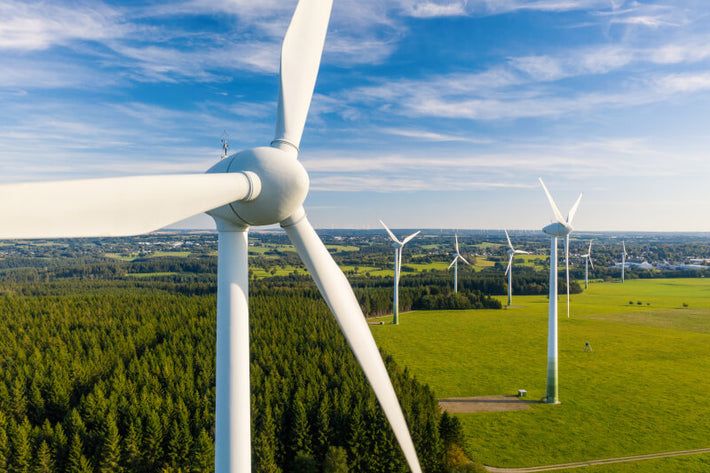
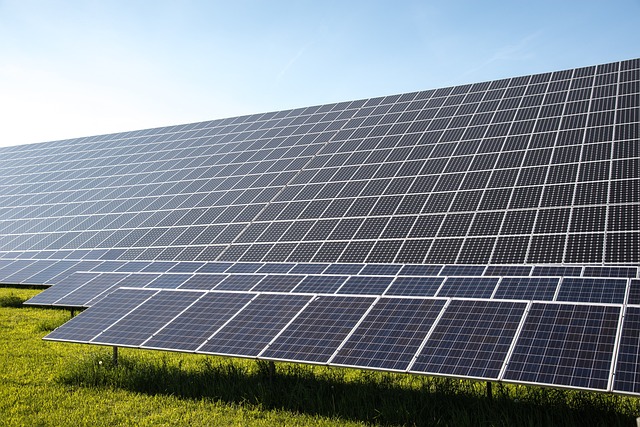
Provides baseload power that complements intermittent sources like wind and solar.
-
Stabilizes the grid, reducing the need for fossil fuel-based backup power.
-
Supports energy storage strategies, as it allows consistent power even when batteries are insufficient.
Hybrid systems (e.g., geothermal-solar power plants) are emerging in countries like Kenya, enhancing flexibility and resilience in power systems.
9. Challenges and Solutions in Scaling Geothermal for Climate Action
Despite its benefits, geothermal development faces certain barriers:
-
High upfront costs, especially for drilling and exploration,
-
Resource risk, as not all drilled wells produce viable steam,
-
Technical expertise shortages in developing regions.
Solutions include:
-
Public-private partnerships and government-backed risk mitigation tools (e.g., drilling insurance or subsidies),
-
International technical cooperation and capacity building,
-
Use of geothermal resource mapping and AI tools to improve exploration success.
These approaches make geothermal a scalable climate solution, especially in regions with high untapped potential like East Africa, Southeast Asia, and Latin America.
10. The Road Ahead: Making Geothermal Central to the Climate Agenda
For geothermal energy to fully deliver on its climate mitigation promise, governments and stakeholders must:
-
Integrate it into long-term energy and climate plans,
-
Encourage research and innovation in enhanced geothermal systems (EGS),
-
Streamline permitting and licensing,
-
Promote community engagement and local benefits sharing.
When managed correctly, geothermal energy doesn’t just help countries reduce emissions—it supports climate justice, economic development, and long-term sustainability.
Conclusion: A Deep and Sustainable Climate Solution
In the global fight against climate change, geothermal energy offers a deep-rooted and low-carbon solution. Its ability to generate clean electricity and direct heat with minimal emissions makes it a cornerstone of the global energy transition.
Whether for powering homes, heating industries, or supporting agriculture, geothermal energy enables countries to cut emissions while growing their economies—a true win-win for people and planet.
As the world moves toward net-zero, geothermal power deserves a central role in national and global climate strategies.