

As the world grapples with the urgent need to combat climate change and reduce air pollution, electric vehicles (EVs) have emerged as a powerful solution that aligns with sustainable transportation goals. The shift from traditional internal combustion engine (ICE) vehicles to electric vehicles carries a host of environmental benefits that extend far beyond the realm of transportation. In this article, we delve into the multifaceted advantages of EVs and their significant role in fostering a cleaner, greener future for our planet.
Zero Tailpipe Emissions: A Breath of Fresh Air
One of the most compelling environmental benefits of electric vehicles is their potential to eliminate tailpipe emissions:
Reduced Air Pollution: Unlike conventional vehicles that emit harmful pollutants such as nitrogen oxides (NOx), particulate matter, and greenhouse gases, electric vehicles produce zero tailpipe emissions. This translates to cleaner air in urban areas and improved public health.
Mitigation of Greenhouse Gas Emissions: EVs significantly reduce the carbon footprint as they don’t rely on fossil fuels for propulsion. By utilizing cleaner energy sources for charging, the overall greenhouse gas emissions can be substantially curtailed.
Energy Efficiency: Doing More with Less
Electric vehicles are renowned for their energy efficiency, which contributes to a more sustainable energy landscape:
Higher Energy Conversion: Electric vehicles convert a higher percentage of the energy from the grid to actual vehicle movement compared to internal combustion engines. This efficiency reduces the overall energy consumption and dependence on finite fossil fuels.
Regenerative Braking: EVs employ regenerative braking, a technology that converts kinetic energy back into electrical energy when the vehicle decelerates. This innovation not only enhances driving efficiency but also captures energy that would otherwise be wasted.
Renewable Energy Synergy: A Cleaner Charging Solution
The environmental benefits of electric vehicles extend to their charging infrastructure and energy sources:
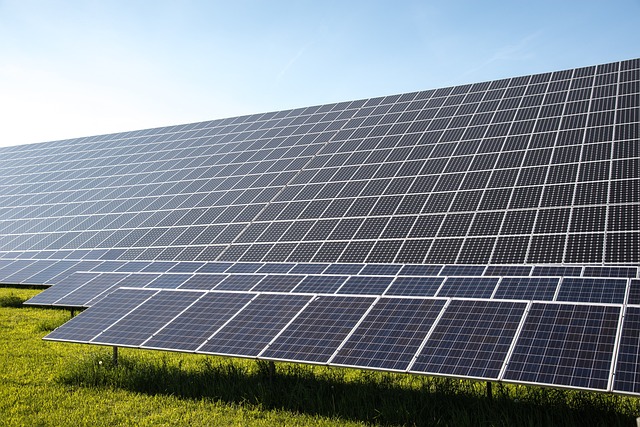
Utilization of Renewable Energy: Charging EVs with renewable energy sources such as solar, wind, and hydroelectric power amplifies their green impact. EVs can act as energy storage units, absorbing excess energy during peak production times and feeding it back to the grid when needed.
Decentralization of Energy Generation: EVs encourage decentralized energy generation. By tapping into local renewable resources for charging, the reliance on centralized power plants and long-distance energy transmission is reduced, resulting in lower transmission losses.
Noise Pollution Reduction: Quieter Street
Electric vehicles contribute to quieter and more pleasant urban environments by minimizing noise pollution:
Silent Operation: The near-silent operation of electric vehicles contrasts sharply with the noise produced by internal combustion engines. Quieter streets can enhance quality of life for urban dwellers and reduce stress levels.
Economic Advantages: A Win-Win Proposition
The adoption of electric vehicles can yield significant economic benefits, indirectly contributing to environmental conservation:
Reduced Healthcare Costs: By reducing air pollution and improving air quality, the health-related costs associated with respiratory diseases and other pollution-related ailments can be mitigated, leading to economic savings.
Lower Maintenance Costs: EVs have fewer moving parts compared to conventional vehicles. This translates to lower maintenance costs and fewer materials required for repairs, reducing the overall environmental impact of vehicle upkeep.
The environmental benefits of electric vehicles encompass a broad spectrum of positive impacts, from reduced air and noise pollution to improved energy efficiency and utilization of renewable resources. As the world seeks sustainable solutions to mitigate climate change and preserve the planet for future generations, the transition to electric vehicles emerges as a pivotal step in the right direction. By choosing EVs, consumers contribute not only to cleaner air and quieter cities but also to a paradigm shift in the way we think about transportation and energy. As the electric vehicle revolution accelerates, so too does the promise of a more sustainable, greener future for all.


