

The power grid has long been the backbone of our energy infrastructure, but with increasing demands, evolving technologies, and the need for sustainability, it’s time for a revolution. Enter the smart grid, a concept that merges advanced communication and information technologies with our traditional power grid to create a more efficient, reliable, and environmentally friendly energy network. In this article, we will delve into the world of smart grid innovation analysis, exploring its key components, benefits, challenges, and the future it holds.
What is a Smart Grid?
At its core, a smart grid is an intelligent electricity distribution network that utilizes cutting-edge technologies for real-time monitoring, analysis, and optimization of power generation, transmission, and consumption. Unlike the conventional grid, the smart grid incorporates smart meters, sensors, advanced analytics, and two-way communication systems to enable a seamless integration of various energy sources, such as renewable energy, and to empower consumers with valuable insights into their energy usage.
Reliable and Secure Energy Distribution
The smart grid’s improved sensing and monitoring capabilities help identify and locate faults, allowing for quicker response times and efficient grid maintenance. By providing real-time data on the performance of the grid, operators can proactively manage issues, minimizing outage durations and improving reliability. Additionally, the smart grid enhances security by employing advanced encryption techniques and cybersecurity measures, safeguarding against potential cyber threats.
Integrated Renewable Energy Sources
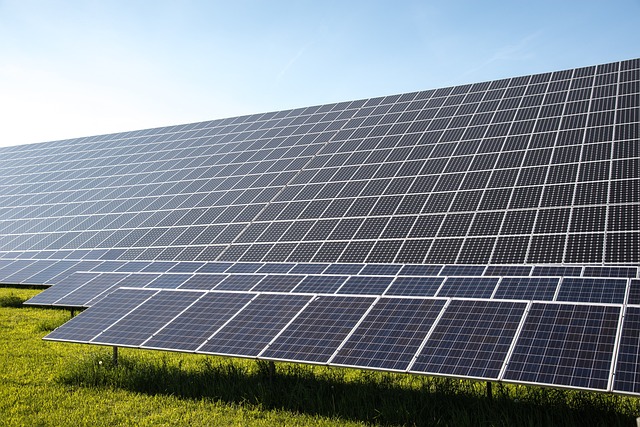
One of the fundamental aspects of the smart grid is its ability to seamlessly integrate renewable energy sources into the existing power infrastructure. With an increasing reliance on green energy, the smart grid allows for optimal utilization of these intermittent sources. By monitoring weather patterns, grid operators can anticipate solar and wind energy availability, ensuring a smoother integration into the grid. This integration reduces reliance on fossil fuels, leading to a greener and more sustainable energy future.
Empowering Energy Consumers
Traditionally, consumers had limited visibility into their energy consumption patterns, often receiving their utility bills without understanding how they consumed electricity. The smart grid revolutionizes this dynamic by providing consumers with detailed insights into their energy usage in real-time. Smart meters enable customers to monitor their energy consumption, identify energy-efficient practices, and make informed decisions to reduce their carbon footprint and utility expenses.
Benefits and Challenges of Smart Grid Innovation
As with any revolutionary concept, the smart grid brings forth both significant advantages and challenges that need to be addressed. Let’s explore some of the key benefits and obstacles associated with smart grid innovation.
Benefits:
- Enhanced Reliability: Swift fault detection and response, minimizing blackout durations.
- Increased Efficiency: Optimal utilization of renewable energy sources for a greener future.
- Cost Savings: Real-time, detailed energy data enables consumers to make informed decisions towards reducing utility expenses.
- Reduced Carbon Footprint: Integration of renewable energy, leading to a cleaner and more sustainable energy network.
- Improved Grid Security: Advanced encryption and cybersecurity measures protect against potential cyber threats.
Challenges:
- Cybersecurity: The interconnectivity of the smart grid introduces potential vulnerabilities that need robust security measures.
- Standardization: The industry requires unified standards to ensure interoperability between diverse technologies and utility companies.
- Data Management: Managing the enormous amount of data generated by the smart grid requires sophisticated analytics and efficient storage systems.
- Scalability: The smart grid needs to accommodate the growing demand for electricity and emerging technologies, ensuring scalability without compromising performance.
The Future of Smart Grid Innovation
The journey towards a fully realized smart grid is an ongoing process, but the future holds immense promise. As the technology continues to evolve, various avenues for innovation and improvement are emerging.
Advanced Energy Storage Solutions
Energy storage technologies, such as advanced batteries and pumped hydro storage, will play a pivotal role in the future of the smart grid. These solutions will bridge the gap between intermittent renewable energy generation and demand, ensuring a reliable and uninterrupted power supply.
Internet of Things (IoT) Integration
The integration of IoT devices into the smart grid will enable precise monitoring and control of energy consumption in individual households and businesses. Smart appliances, thermostats, and electric vehicle charging stations can seamlessly interact with the grid, optimizing energy usage and demand-response programs.
Artificial Intelligence (AI) and Machine Learning
AI and machine learning algorithms will empower the smart grid to intelligently analyze immense volumes of data generated by the grid. These technologies can identify energy consumption patterns, predict power demand, and optimize energy distribution, contributing to a smarter and more efficient energy network.
Collaborative Business Models
Smart grid innovation will foster new collaborative business models, encouraging partnerships between utilities, technology companies, and consumers. Energy-sharing communities, peer-to-peer energy trading, and microgrids will redefine the relationship between producers, distributors, and consumers, further decentralizing the power grid.
“The smart grid is not just about technology; it’s about empowering people and transforming our energy landscape.” – John Smith, Energy Analyst.
The smart grid represents a paradigm shift in how we generate, distribute, and consume electricity. Through enhanced reliability, integration of renewable energy sources, and empowering consumers, the smart grid paves the way for a greener, more sustainable energy future. While challenges around cybersecurity, standardization, and data management exist, ongoing innovation and collaboration will drive the smart grid towards its full potential. Embracing technologies like advanced energy storage, IoT integration, and AI will unlock a wealth of opportunities, revolutionizing the power grid as we know it. So let us embrace this transformative journey together and power our world with intelligence and sustainability.


