
Hydropower adds to the decrease of ozone-harming substances (GHG) emissions in more than one way:
Environmentally friendly power Source: Hydropower is an environmentally friendly power source that produces power by harnessing the force of streaming or falling water. Not at all like petroleum product-based power generation, hydropower consumes no fuel, and that implies it produces zero direct ozone-depleting substance discharges during operation.
Sans carbon Power: Hydropower plants produce power without depending on non-renewable energy sources, like coal, oil, or petroleum gas. By substituting petroleum product-based power generation with hydropower, nations can altogether decrease their carbon dioxide (CO2) emissions, which are the main ozone-depleting substance contributing to environmental change.
Substitution of Petroleum derivatives: The accessibility of hydropower as a dependable and reasonable energy source empowers the removal of petroleum derivative-based power plants. When hydropower projects are formed and incorporated into the power lattice, they give a clean choice to coal-fired power plants or gas-fired power plants, subsequently diminishing the total emissions related to power generation.
Kept away from Discharges: Hydropower adds to being kept away from emissions by uprooting different types of power generation that would have in any case delivered ozone-depleting substances. By producing power from hydropower, nations can diminish their dependence on non-renewable energy source power plants, bringing about stayed away from outflows of CO2 and other toxins related to petroleum product combustion.
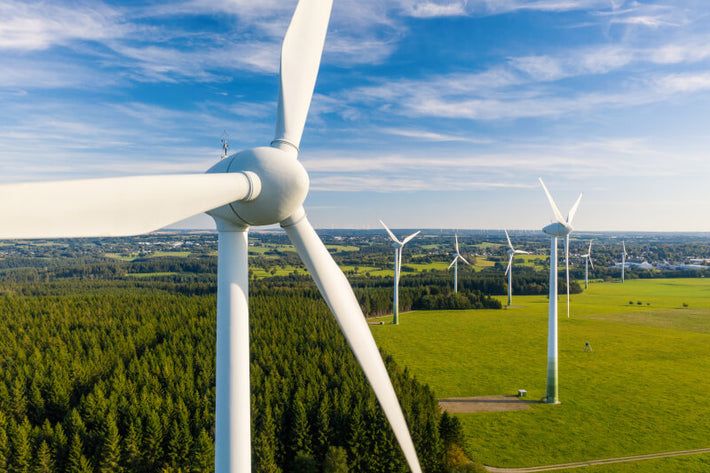
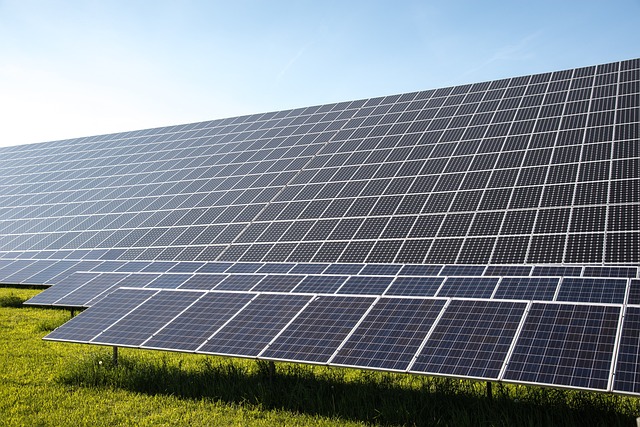
Capacity and Lattice Adaptability: A hydropower office can store water in repositories, considering adaptability in power generation. During times of low power interest, an abundance of environmentally friendly power from sources like wind or solar can be utilized to siphon water once again into the repositories. At the point when power demand builds, water can be delivered to produce power, giving the system stability and diminishing the requirement for petroleum product reinforcement power establishes that would some way or add to outflows
It’s important that while hydropower itself is a perfect and sustainable power source, the development and activity of huge-scale hydropower undertakings can have natural effects, as examined in the past reaction. Thusly, it is essential to consider the compromises and embrace economical practices while creating hydropower ventures to augment their advantages regarding diminishing ozone-depleting substance emissions.