
As the world seeks sustainable and clean energy alternatives, geothermal energy is increasingly gaining traction. However, like all energy sources, geothermal power has been subject to debate and scrutiny, particularly around its environmental impact.
In this article, we explore the real environmental effects of geothermal energy, debunk common myths, and offer a balanced view of how this renewable resource compares to traditional fossil fuels and other green alternatives.
1. Myth: Geothermal Energy Causes Massive Land Degradation
Reality: Geothermal power plants have a very small land footprint compared to solar, wind, and hydropower facilities.
-
A typical geothermal power plant requires only about 1-8 acres per megawatt.
-
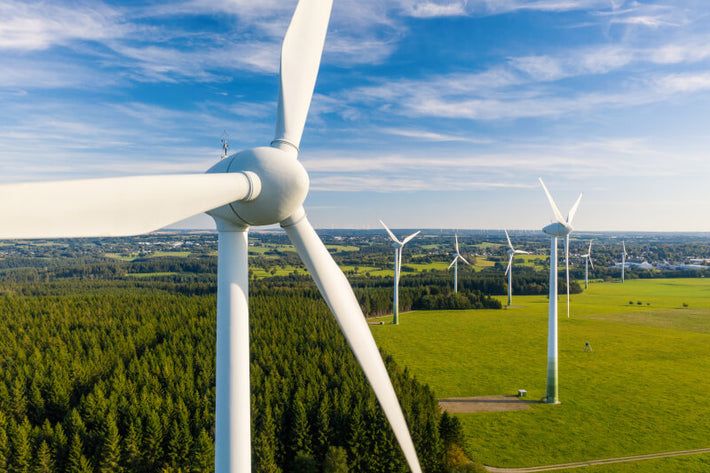
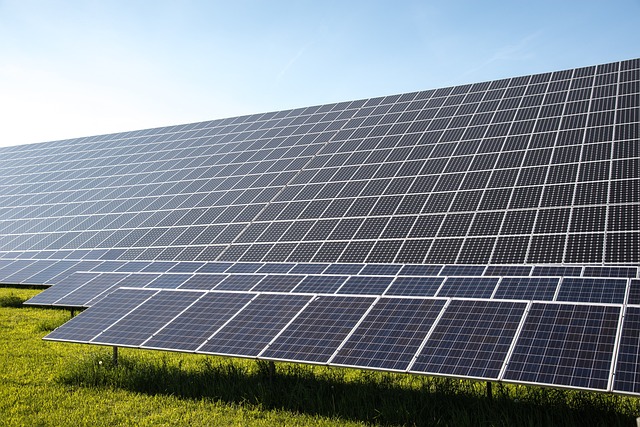
In contrast, wind farms can require 60+ acres per megawatt, and solar farms need extensive space for panel arrays.
-
Geothermal installations are usually compact and located in already degraded or remote areas, minimizing ecological disruption.
In Kenya’s Olkaria geothermal field, power plants have been developed within a national park (Hell’s Gate) while maintaining wildlife conservation and environmental balance, showcasing successful co-existence.
2. Myth: Geothermal Plants Emit a Lot of Greenhouse Gases
Reality: Geothermal energy has one of the lowest carbon footprints of all electricity sources.
-
Flash steam plants may emit small amounts of CO₂, hydrogen sulfide (H₂S), and methane, but these are minimal.
-
Binary plants emit zero emissions, as the geothermal fluid is never exposed to the atmosphere.
-
According to the IPCC, geothermal power emits about 38 g of CO₂ equivalent per kilowatt-hour, compared to over 900 g for coal.
In countries like Kenya and Iceland, geothermal energy has significantly reduced national greenhouse gas emissions from the power sector.
3. Myth: Geothermal Energy Causes Major Earthquakes
Reality: While geothermal drilling can cause small seismic events, they are typically minor and non-destructive.
-
These are classified as induced microseismicity, usually below magnitude 2.0.
-
They occur when fluid is injected or extracted from deep underground reservoirs, slightly altering rock stress.
-
Modern geothermal projects undergo rigorous environmental and seismic risk assessments before approval.
Enhanced Geothermal Systems (EGS), which involve fracturing rock, carry more seismic risk but are strictly monitored using geophysical modeling and real-time seismic sensors.
4. Myth: Geothermal Plants Pollute Groundwater
Reality: Geothermal fluids are carefully managed and rarely interact with fresh groundwater aquifers.
-
Production and reinjection wells are designed with multiple layers of steel casing and cement to prevent contamination.
-
In most projects, used geothermal fluids are re-injected into the same reservoir from which they came.
-
Surface spills and leaks are rare and subject to strict environmental regulation.
In Kenya, environmental protection agencies like NEMA and water resource authorities regularly monitor geothermal projects to ensure aquifer safety.
5. Myth: Geothermal Power Destroys Ecosystems
Reality: Properly designed geothermal projects can co-exist with ecosystems and even support conservation.
-
Plants emit no smoke, have low noise, and do not create large reservoirs or dams.
-
Pipelines and infrastructure are often built along existing roads to minimize vegetation clearance.
-
Wildlife corridors and habitat buffers are included in design plans.
At Olkaria, for example, the geothermal development coexists with the Hell’s Gate National Park, home to zebras, giraffes, and other fauna. Developers follow environmental management plans (EMPs) and conduct Environmental and Social Impact Assessments (ESIAs).
6. Myth: Geothermal Projects Waste Water
Reality: Geothermal projects are designed to operate in closed-loop systems that recycle water.
-
The geothermal fluid (mostly hot water) is brought to the surface, used for energy production, and then reinjected.
-
Water losses are minimal, especially in binary plants, where the fluid never leaves the system.
-
In water-scarce areas, air-cooled condensers or hybrid systems are used to minimize water usage.
This efficient cycle makes geothermal energy much less water-intensive than coal, nuclear, or even concentrated solar power.
7. Additional Environmental Benefits of Geothermal Energy
While many concerns have been disproven or addressed, geothermal energy offers significant environmental advantages, including:
a) Air Quality Improvement
Unlike coal or diesel generators, geothermal plants emit no smoke, soot, or harmful particulates, helping reduce air pollution-related illnesses.
b) Climate Change Mitigation
By replacing fossil fuels, geothermal energy helps countries meet their climate goals, such as those under the Paris Agreement.
c) Land Preservation
Because of its small footprint and minimal impact on surrounding land, geothermal projects help preserve forests, wetlands, and farmlands.
8. Regulatory Safeguards and Best Practices
To minimize environmental impacts, geothermal energy projects are typically required to:
-
Conduct Environmental and Social Impact Assessments (ESIAs).
-
Secure approvals from regulatory agencies (e.g., NEMA in Kenya).
-
Establish community engagement plans.
-
Develop environmental management plans (EMPs).
-
Monitor and report emissions, water quality, and seismic activity.
In Kenya, public institutions like the Geothermal Development Company (GDC) and KenGen adhere to global environmental standards and regularly undergo audits from international development partners.
9. Learning from Global Best Practices
Countries with mature geothermal industries, such as:
-
Iceland (which generates over 25% of its electricity from geothermal),
-
New Zealand, and
-
The Philippines,
have demonstrated that with good planning and monitoring, geothermal energy can thrive without major ecological trade-offs. These countries offer blueprints for sustainable geothermal development in Africa, Asia, and Latin America.
10. Striking a Balance: Development and Sustainability
Like all infrastructure projects, geothermal development must balance energy needs with environmental stewardship. However, compared to fossil fuels, geothermal energy offers a far cleaner, safer, and more sustainable alternative.
With advancing technology and stricter oversight, even the few environmental concerns that do exist, such as minor seismicity or potential fluid leaks, can be effectively managed or eliminated.
Conclusion: A Low-Impact, High-Reward Renewable
The myths surrounding geothermal energy often stem from outdated practices or misunderstandings. In reality, modern geothermal projects are environmentally responsible, technologically advanced, and beneficial to both people and the planet.
For developing countries looking to decarbonize their economies while ensuring energy access and protecting ecosystems, geothermal energy remains a top-tier choice.
By investing in responsible development, enforcing strong regulations, and engaging local communities, geothermal energy can power a greener future without compromising the environment we all depend on.