

An electric vehicle (EV) is a type of vehicle that is powered by energy stored in installed batteries or energy components. EVs utilize electric engines to push the vehicle and give a zero-outflow option in contrast to regular gas-powered motor vehicles.
There are two primary sorts of electric vehicles:
Battery Electric Vehicles (BEVs): These vehicles are fueled exclusively by power put away in battery-powered batteries. The batteries give the energy to run an electric engine, which drives the haggles the vehicle. BEVs should be connected to a power source, for example, a charging station or a standard plug, to recharge their batteries.
Module Crossover Electric Vehicles (PHEVs): PHEVs join a gas-powered motor with an electric engine and a battery. These vehicles can be charged by connecting them to a power plug or charging station. PHEVs can work in electric mode for more limited distances, depending entirely on the electric engine, and change to the gas-powered motor for longer outings or when the battery charge is drained.
EVs offer a few benefits over conventional fuel or diesel-controlled vehicles:
Natural Advantages: EVs produce zero tailpipe emissions, adding to further developed air quality and diminished ozone-depleting substance emissions. Their ecological effect relies upon the wellspring of power utilized for charging, yet in any event, when controlled by petroleum products, EVs will generally have lower by and large emissions compared with gas-powered motor vehicles.
Energy Proficiency: EVs are, for the most part, more energy-productive than gas-powered motor vehicles. Electric engines convert a higher level of stored energy into movement, in contrast to the internal combustion engines in conventional vehicles. This effectiveness adds to decreased energy utilization and lower working expenses.
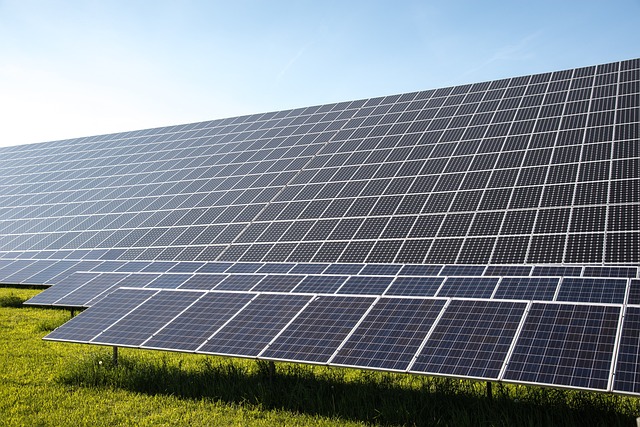
Diminished Reliance on Petroleum derivatives: By using power as their essential energy source, EVs assist with diminishing reliance on limited petroleum products, saving. They can use different and sustainable power hotspots for charging, including solar, wind, and hydroelectric power, which further decreases ecological impact and advances energy diversification.
Execution and Calm Activity: Electric engines give moment force, offering speedy speed increase and smooth execution. Furthermore, EVs work unobtrusively, with diminished commotion compared with conventional vehicles, giving a more wonderful driving experience.
Lower Working Expenses: Electric vehicles, by and large, have lower working expenses compared with gas-powered motor vehicles. They require less support because of fewer moving parts and don’t need normal oil changes. Moreover, power is frequently more affordable than gas or diesel fuel, bringing about lower energizing costs.
The rising accessibility of charging infrastructure, progress in battery innovation, and steady government policies have added to the developing acceptance of electric vehicles around the world. EVs play a huge part in the change to practical and low-carbon transportation frameworks.


