Tidal energy is a form of renewable energy that harnesses the natural rise and fall of ocean tides to generate electricity. It’s like tapping into the ocean’s heartbeat—the predictable pull and push of water caused by the moon’s gravitational forces. Unlike solar or wind, tides are incredibly consistent, making tidal energy one of the most reliable forms of renewable power on the planet.
Imagine capturing the motion of the sea itself and converting it into electricity—now that’s power from nature!
How Tidal Energy Works
Tidal energy systems capture the kinetic and potential energy from moving water during tides. As tides come in and go out, they move large volumes of water. This motion is used to spin underwater turbines or move gates, generating electricity in a similar way to wind turbines or hydroelectric dams.
Types of Tidal Energy Systems
1. Tidal Barrage
A tidal barrage is a dam built across a tidal estuary or bay. Gates and turbines are installed inside the dam. When tides rise and fall, water is let through the turbines, generating electricity.
Pros: High energy output, predictable performance.
Cons: Expensive, potential environmental disruption.
2. Tidal Stream Generators
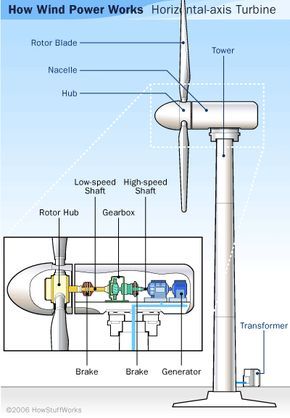
These are like underwater wind turbines. They’re placed on the seabed in areas with strong tidal currents. As water flows past, it spins the blades and generates electricity.
Pros: Less invasive, modular, can scale up.
Cons: Needs fast tidal currents, maintenance challenges.
3. Dynamic Tidal Power (DTP)
This newer concept involves building long dams perpendicular to the coast to capture tidal energy without needing specific tidal basins. It’s still largely experimental.
The Future of Tidal Energy
As climate change pushes the need for cleaner energy, tidal energy is gaining more attention. With advances in marine engineering, materials, and environmental monitoring, tidal systems are becoming more viable.
Expect more countries to invest in this clean, predictable power—especially those with strong coastal resources. Hybrid systems combining tidal with offshore wind or solar might also become common.
Tidal vs. Wave Energy
It’s easy to confuse tidal energy with wave energy. Here’s the difference:
Both are marine energy sources, but they work very differently.

 Optimized by Seraphinite Accelerator