

Green, Renewable Energy and Blue Economy
Solar energy is the radiant light and heat emitted by the sun, which has been harnessed by humans for centuries in various ways. Today, thanks to advancing technology, solar energy can be converted into electricity or thermal energy using solar panels and other devices. This transformation into usable power is achieved primarily through photovoltaic (PV) systems and solar thermal systems.
The sun delivers more energy to Earth in one hour than the entire world consumes in a year. This staggering statistic alone underscores solar energy’s potential. It’s an abundant, renewable resource that doesn’t deplete over time. Unlike fossil fuels, which are finite and release harmful emissions, solar energy offers a cleaner alternative for powering homes, businesses, and even entire cities.
Solar power isn’t just about reducing electricity bills—it’s about embracing sustainability. The sun rises every day, offering an endless supply of energy without the destructive effects associated with traditional sources. As more countries push toward green energy transitions, solar is becoming a cornerstone in the global energy mix.
So, when we talk about solar energy, we’re referring to more than just electricity. It powers solar water heaters, runs ventilation systems, fuels cooking appliances, and even provides lighting in areas where grid electricity is inaccessible. It’s a versatile, game-changing energy solution with both small-scale and large-scale applications.
We’re living in an era of climate crisis, skyrocketing energy prices, and increasing demand for power. The importance of solar energy can’t be overstated—it offers real answers to these complex problems.
First off, solar energy plays a crucial role in reducing carbon emissions. The burning of fossil fuels like coal and gas has been a primary contributor to global warming. Switching to solar reduces reliance on these harmful sources, directly cutting down greenhouse gases. A typical residential solar panel system can offset tons of carbon dioxide annually.
Another reason solar is vital today is energy independence. Nations that depend heavily on imported fossil fuels are vulnerable to volatile international markets and political instability. Solar provides a domestic, secure, and decentralized source of power, giving countries control over their energy future.
Moreover, solar technology has become more affordable and efficient over the past decade. The cost of solar panels has dropped by over 80%, and innovations continue to make systems more effective and accessible. This democratization of energy allows even average homeowners and small businesses to reap the benefits.
Additionally, the job market for solar is booming. From manufacturing and installation to maintenance and software development, the solar industry is generating millions of green jobs globally. It’s not just an environmental win—it’s an economic one too.
With rising electricity costs, increasing power outages, and a global push for sustainability, solar energy is no longer optional—it’s essential.
At its core, solar energy harnesses photons—particles of sunlight—to generate electricity. This process takes place in solar cells made of semiconductor materials, typically silicon. When sunlight hits these cells, it excites electrons, creating an electric current. This is known as the photovoltaic effect, discovered in 1839 by French physicist Alexandre Edmond Becquerel.
The electricity produced is direct current (DC), which is then converted into alternating current (AC) by an inverter. This AC power is what we use in homes and businesses to run lights, appliances, and electronics.
Solar energy can also be used to generate heat. Solar thermal systems collect sunlight using mirrors or lenses to concentrate energy onto a receiver. The captured heat is then used to produce steam that drives a turbine and generates electricity—this is how concentrated solar power (CSP) works.
Efficiency is another key factor in how solar systems function. Not all the sunlight that hits a panel gets converted into electricity. Most residential panels today have an efficiency rate of around 15-22%. While this might sound low, the sheer abundance of sunlight makes it more than sufficient.
In off-grid systems, excess energy is stored in batteries for use when the sun isn’t shining. Grid-tied systems, on the other hand, allow you to feed surplus energy back into the grid, often earning you credits on your utility bill through a process called net metering.
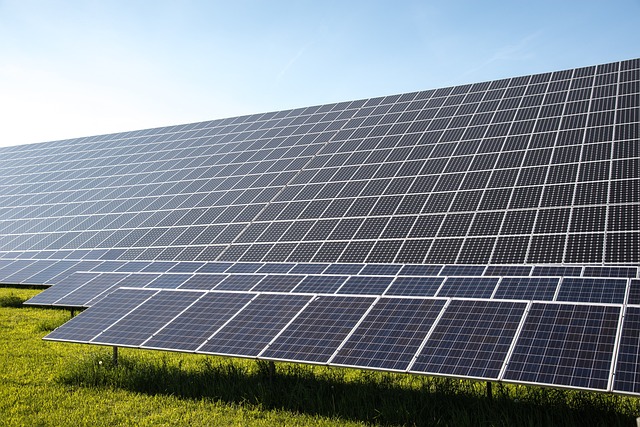
These are the most common type of solar technology. PV systems use solar panels composed of many individual solar cells. They’re typically mounted on rooftops or open land and are capable of generating electricity directly from sunlight.
PV systems are scalable—you can power a single lightbulb or an entire building, depending on the size of the system. They require minimal maintenance and have long lifespans, often exceeding 25 years.



WhatsApp us
 Optimized by Seraphinite Accelerator