Rahm Hennessey
Hydropower energy, also known as hydroelectric power, is one of the oldest and most widely used forms of renewable energy on Earth. It harnesses the kinetic energy of flowing or falling water to generate electricity. Simply put, it’s all about using the movement of water to spin turbines and produce power.
Imagine a water wheel at an old mill—that same concept, but on a massive, high-tech scale.
A Brief History of Hydropower
Humans have been using water to generate power for thousands of years. The Greeks used water wheels as early as the 3rd century BCE. Fast forward to 1882 in Appleton, Wisconsin, where the world’s first hydroelectric power plant began operation.
Since then, hydropower has evolved into a global energy giant, providing about 16% of the world’s electricity today.
How Hydropower Works
The Basic Process
-
Water flows from a higher elevation to a lower one.
-
This movement turns turbines.
-
Turbines drive generators to produce electricity.
Key Components of a Hydropower Plant
-
Dam: Stores water and creates a reservoir.
-
Penstock: A large pipe that channels water to the turbines.
-
Turbine: Spins when water flows through it.
-
Generator: Converts mechanical energy into electrical energy.
-
Outflow: Returns water to the river downstream.
Types of Hydropower Plants
1. Impoundment Facility
This is the classic image most people think of: a large dam holding back a reservoir. Water is released through turbines to generate electricity. Think Hoover Dam.
2. Run-of-the-River System
Instead of a large reservoir, this system channels a portion of river water through a canal or penstock. It’s less intrusive and relies on the river’s natural flow.
3. Pumped Storage Plant
This works like a battery. During low energy demand, water is pumped uphill into a reservoir. During peak demand, it’s released to generate electricity.
Benefits of Hydropower Energy
1. Renewable and Sustainable
Water is a naturally replenishing resource. As long as rivers flow and rain falls, hydropower can continue to generate electricity.
2. Reliable and Consistent
Unlike solar or wind, water flow is generally predictable, making hydropower a stable energy source.
3. Low Greenhouse Gas Emissions
Hydropower produces minimal CO₂, helping fight climate change.
4. Flexible and Responsive
Hydropower plants can start up and shut down quickly, making them ideal for balancing the electrical grid during peak times.
5. Multiple Uses
Dams also offer flood control, water supply, irrigation, and recreational opportunities.
Environmental and Social Concerns
1. Ecosystem Disruption
Dams can block fish migration, alter habitats, and change natural river flows.
2. Displacement of Communities
Building large dams can flood areas and force people to relocate.
3. Methane Emissions
In tropical regions, reservoirs may emit methane due to decomposing vegetation underwater.
Hydropower Around the World
Leading Countries
-
China – Home to the Three Gorges Dam, the world’s largest hydroelectric project.
-
Brazil – Relies heavily on hydro for national energy needs.
-
United States – Many historic dams across western states.
-
Canada – A major exporter of clean hydropower.
Global Statistics
Hydropower accounts for over 60% of all renewable electricity globally. It plays a key role in reaching global carbon neutrality goals.
Small-Scale Hydropower: Micro and Pico Hydro
Not all hydropower is massive. Small-scale systems can power homes, farms, and remote villages. These systems are often more environmentally friendly and easier to implement in developing regions.
-
Micro hydro: Up to 100 kW, ideal for small communities.
-
Pico hydro: Less than 5 kW, often used for individual households.
The Future of Hydropower
Modernization of Old Dams
Many existing dams are being upgraded with better turbines and control systems to boost efficiency.
Hybrid Systems
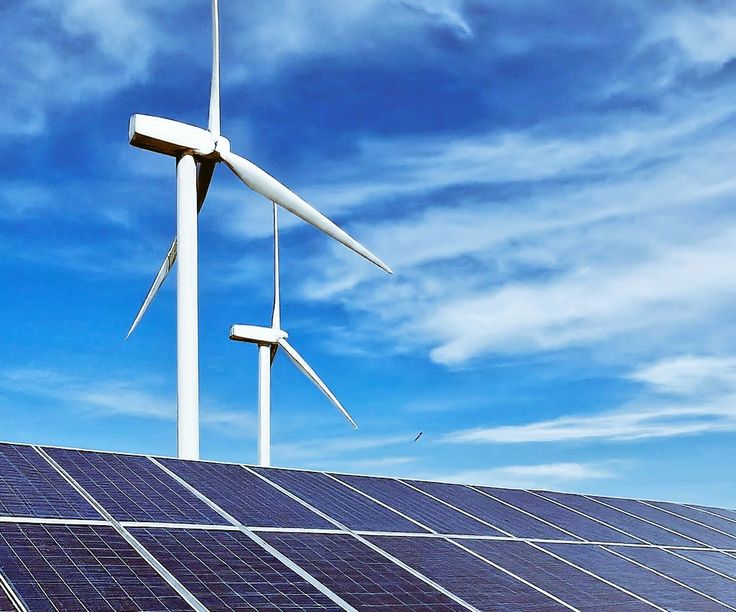
Hydropower can be combined with solar or wind to ensure a consistent power supply.
Sustainable Practices
New projects are prioritizing fish-friendly turbines, improved water management, and environmental restoration efforts.
Is Hydropower Right for the Future?
Hydropower is already a cornerstone of clean energy, and it’s not going away anytime soon. But its future depends on balancing energy needs with environmental protection. Sustainable development, technological innovation, and smarter planning will help hydropower remain a vital player in the global clean energy transition.
Conclusion
Hydropower energy is a time-tested, renewable energy source that uses the power of water to keep our lights on. It’s clean, reliable, and incredibly efficient—but not without its challenges. As the world pushes toward greener energy, hydropower will continue to evolve, offering both opportunities and responsibilities.
From massive dams to tiny stream-powered turbines, hydropower proves that sometimes, the best solutions really do flow naturally